Pollution Legal Liability insurance – a critical coverage for schools
School districts work every day to provide safe environments for students, staff and visitors. While safety planning often focuses on visible risks, such as building security, playground hazards or transportation, environmental risks are frequently less obvious and more easily overlooked. Yet these exposures can result in significant financial and reputational consequences if they are not properly addressed.
Pollution Legal Liability (PLL) insurance is designed to help schools manage these hidden risks. For school insurance buyers, understanding what PLL coverage is, and why it matters, is an important part of a comprehensive risk management strategy.
Hidden environmental exposures facing schools
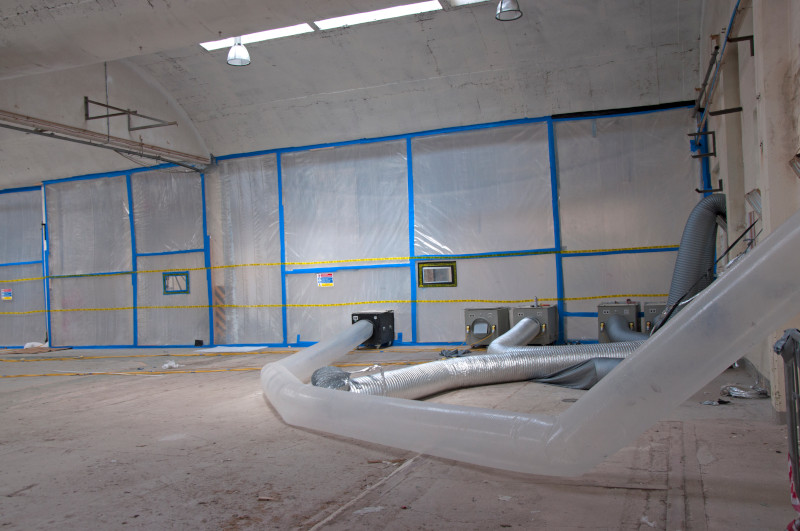
Many school buildings were constructed decades ago, long before today’s environmental standards were in place. As a result, schools may face environmental conditions that are not immediately apparent but can still lead to costly claims.
Common pollution‑related exposures in schools include:
- Asbestos, lead paint and other legacy building materials.
- Mold resulting from moisture intrusion, roof leaks or HVAC issues.
- Underground storage tanks or historical fuel systems.
- Chemical storage for science labs, vocational programs or maintenance operations.
- Fuel spills or leaks from buses, generators or maintenance equipment.
These exposures do not need to cause immediate harm to trigger financial loss. Allegations of bodily injury, property damage or the need for environmental investigation and cleanup can all lead to significant costs for a school district.
General Liability insurance is often not enough
One of the most common misconceptions among school insurance buyers is that environmental incidents are fully covered under a standard General Liability policy. In reality, most general liability forms contain pollution exclusions that limit or eliminate coverage for many pollution‑related claims.
Similarly, Educators Professional Liability policies typically exclude claims arising from pollution, lead, asbestos, mold, fungi or bacteria. This means that even when allegations involve decision‑making or oversight by school administrators, coverage may still be unavailable if pollution is involved.
Without dedicated pollution coverage, schools may be forced to pay for:
- Environmental testing and investigation.
- Cleanup and remediation expenses.
- Third‑party bodily injury or property damage claims.
- Legal defense costs.
These expenses can quickly strain a school district’s budget, diverting funds away from educational priorities.
Pollution Legal Liability insurance
Pollution Legal Liability insurance is specifically designed to address environmental risks that are excluded or limited under other policies. While coverage terms vary, PLL insurance for schools is generally intended to respond to claims arising from pollution conditions at covered locations.
Depending on the policy, coverage may include:
- Third‑party bodily injury and property damage resulting from pollution conditions.
- Environmental cleanup costs, including investigation, monitoring and remediation.
- Legal defense expenses related to covered pollution claims.
- Coverage for sudden and gradual pollution events, subject to policy terms.
For school insurance buyers, this coverage helps fill a critical gap by addressing risks that are both financially significant and difficult to predict.
Pollution claims are especially challenging for schools
Pollution‑related claims can be particularly complex for school districts for several reasons:
- Public sensitivity: Schools are entrusted with the care of children and staff. Environmental concerns, such as mold or lead, can quickly escalate into community and media issues, even before liability is established.
- Regulatory involvement: Environmental incidents may trigger involvement from state or federal agencies, adding compliance costs and administrative burden.
- Long‑tail exposure: Some pollution conditions develop over time, meaning claims may arise years after the original issue began.
- Budget constraints: Cleanup and legal costs can be substantial and are rarely budgeted for in advance.
Pollution Legal Liability insurance helps schools transfer a portion of these risks, providing financial protection and access to experienced claims handling resources.
Pollution coverage as part of a proactive risk strategy
For school insurance buyers, PLL coverage is not just about responding to claims, it’s about proactive risk management. Identifying environmental exposures and aligning coverage accordingly can help districts:
- Protect operating budgets from unexpected environmental losses.
- Demonstrate due diligence to boards, parents and regulators.
- Support long‑term facility planning and maintenance efforts.
Many school‑specific pollution programs are designed to complement existing property and liability coverage, creating a more complete insurance portfolio.
Key questions for school insurance buyers to consider
When evaluating pollution legal liability coverage, school insurance buyers may want to ask:
- Are all school locations and facilities included under the policy?
- Does the coverage address both sudden and gradual pollution events?
- Are investigation and cleanup costs included, or only third‑party claims?
- How does the pollution policy coordinate with existing general liability and professional liability coverage?
Working with an insurance partner who understands school‑specific risks can help ensure these questions are addressed effectively.
Environmental risks are an often‑overlooked exposure for schools, but they can carry significant financial and reputational consequences. Pollution Legal Liability insurance plays an important role in helping school districts manage these risks and protect their mission.
For insurance buyers, adding dedicated pollution coverage is a practical step toward a more resilient and comprehensive risk management program, one that recognizes not just the visible risks, but the hidden ones as well.