
E-Bikes: Emerging risks and safety considerations for schools
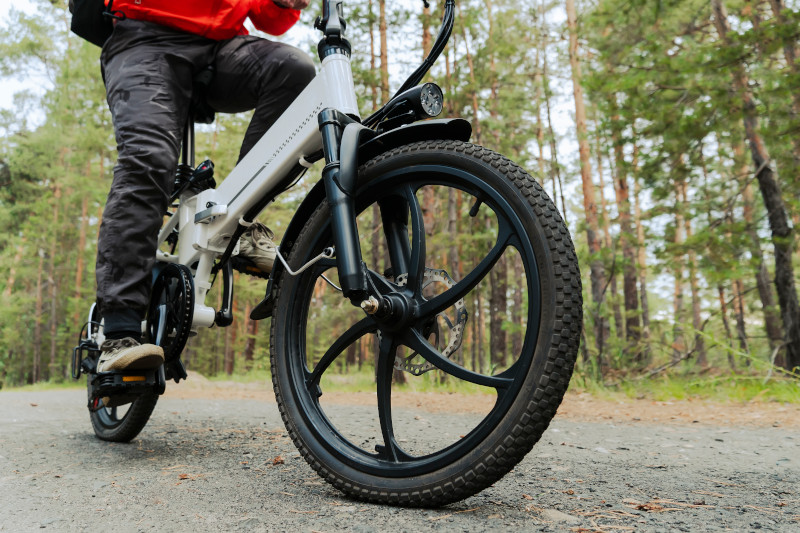
Electric bicycles, commonly known as e-bikes, are part of a growing category of electric mobility devices that also includes e-scooters, e-skateboards and hoverboards. As their popularity continues to increase, schools may encounter these devices on campus, often in locations or situations where their use was not anticipated.
While e-bikes offer convenience and mobility, they also introduce unique safety, liability and property protection concerns. School administrators should understand the risks associated with these devices and take proactive steps to mitigate potential incidents involving students, staff, visitors and school property.
Risks associated with e-bikes
Fire hazards
Most e-bikes are powered by rechargeable lithium-ion batteries. Improper charging, damaged batteries or faulty charging equipment can lead to thermal runaway, resulting in fires that spread rapidly and are difficult to extinguish.
Due to the growing number of structure fires involving lithium-ion batteries, the National Fire Protection Association (NFPA) incorporated safety provisions into the 2024 edition of NFPA 1 to help reduce fire risks associated with these devices.
Speed
Modern e-bikes are capable of traveling at significant speeds with minimal physical effort from the rider. There are three classes of e-bikes, all capable of reaching at least 20 mph, while Class III e-bikes can attain speeds up to 28 mph.
Unlike traditional bicycles, which require substantial effort to achieve higher speeds, e-bike operators can accelerate quickly with little exertion. As a result, riders may be less attentive to their surroundings, increasing the risk of collisions with pedestrians and other users of shared spaces.
Weight and stability
E-bikes are typically much heavier than conventional bicycles due to the weight of their batteries and electric motors. Users who are unfamiliar with these devices may underestimate the impact of the additional weight on handling, braking and maneuverability.
The increased weight can reduce stability and make it more difficult to avoid obstacles, potentially leading to crashes and injuries.
Collision risks
Many e-bike users prefer riding on sidewalks, pathways and other pedestrian areas rather than on roadways. While this may feel safer to the rider, it increases the likelihood of collisions with pedestrians.
Schools should be particularly mindful of this risk in high-traffic areas such as entrances, sidewalks, athletic facilities and outdoor gathering spaces.
Best practices and action items
Schools should evaluate whether e-bike use is appropriate on their campuses and establish clear expectations regarding their operation, storage and charging.
Develop a clear policy
Establish a written policy addressing the use of e-bikes and other electric mobility devices on school property. Consider prohibiting student and public use of e-bikes on school grounds and within school facilities.
In addition, outside groups that use school facilities should not be permitted to operate e-bikes on school property unless specifically authorized and managed.
Establish safe charging procedures
If staff members use e-bikes or authorized medical mobility devices, charging requirements that align with NFPA 1 recommendations should be included in your policy:
-
- Devices, batteries and chargers should be listed by a recognized testing laboratory, such as UL 2849 for e-bike electrical systems.
- Follow all manufacturer instructions for charging and storage.
- Do not use extension cords, power strips or daisy-chained electrical connections.
- Charge batteries at least 10 feet away from combustible materials.
- Ensure charging equipment does not block exits, hallways or egress routes.
- Immediately disconnect chargers if batteries become excessively hot, swell, emit unusual odors or show other signs of damage.
Use additional fire safety precautions
Consider implementing the following safeguards:
-
- Store and charge batteries in fire-resistant storage bags or containers designed for lithium-ion batteries.
- Charge batteries only when someone is present and able to monitor the equipment.
- Watch for warning signs such as excessive heat, the smell of burning wires, smoke or battery deformation.
- Consult manufacturers regarding safer battery technologies, such as lithium iron phosphate (LiFePO4) batteries, where available.
- Maintain a sufficiently sized Class D fire extinguisher in battery charging areas and establish emergency procedures for responding to a battery fire.
Restrict operating areas
If e-bikes are permitted on school property, clearly define where they may and may not be used.
Schools should consider treating e-bikes similarly to mopeds or small motorcycles rather than traditional bicycles. E-bikes should not be operated on:
-
- Sidewalks
- Pedestrian pathways
- Athletic tracks
- Stadium areas
- Playgrounds
- Other locations where groups of people congregate
Install appropriate signage to communicate restrictions and consistently enforce established rules.
As e-bike use continues to grow, schools should take time to become familiar with the associated safety, fire and liability concerns. By implementing clear policies, educating users and establishing appropriate controls, schools can reduce the likelihood of severe injuries, fatalities and costly property losses while maintaining a safer environment for students, staff and visitors.
For more information on E-bikes, the following resources are available:
- The Consumer Product Safety Commission has a directive on e-bikes due to increasing emergency room visits or fatalities related to e-bikes. Here is more information: https://www.cpsc.gov/Safety-Education/Safety-Education-Centers/Micromobility-Information-Center
- Additional information by the NFPA can be obtained here: https://www.nfpa.org/en/education-and-research/energy-transition/ebikes
Reference: National Fire Protection Association. (2024). NFPA 1®: Fire Code; Chapter 10.21 Powered Micromobility Devices; https://link.nfpa.org/free-access/publications/1/2024