
Snowplow Vehicle Winter Maintenance
Key Takeaways
- Complete preventive maintenance early. Check alignment, tires, brakes, hydraulics, lights and other critical components before severe weather arrives.
- Verify plow attachments. Follow manufacturer requirements and make sure mounting hardware, connections and the blade are secure before operation.
- Know what’s underneath the snow. Identify curbs, stormwater drains, sewer covers and other obstructions along plowing routes to help prevent equipment and property damage.
Winter weather can create a long list of challenges for school administrators: Heating systems may be under increased strain, pipes can freeze and burst, and snow and ice can create slip-and-fall hazards across school grounds.
And then there’s the snow itself — someone has to remove it.
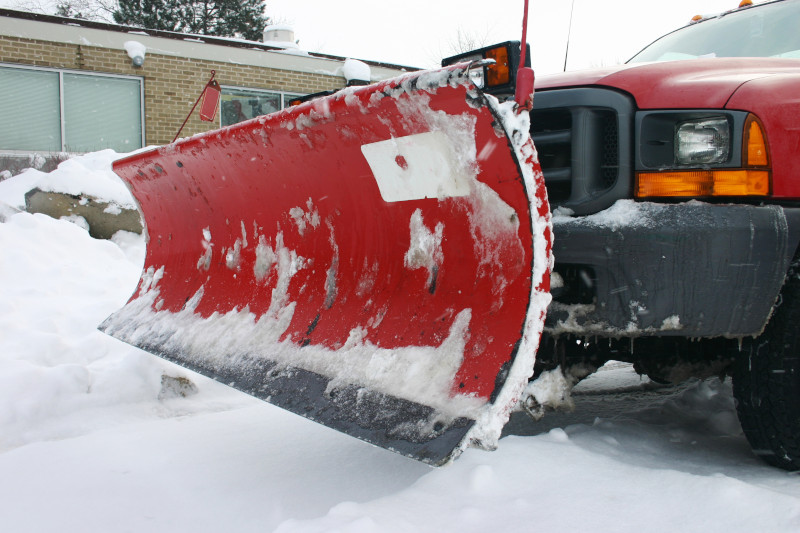
For many schools, that means relying on snowplow vehicles to keep parking lots, driveways, sidewalks and emergency access routes clear. These vehicles are an important part of the school’s winter safety operation — but they also need to be ready for the conditions they’ll encounter.
A snowplow vehicle that hasn’t been properly maintained can fail when it’s needed most. An improperly attached blade can create an equipment or property hazard. And an operator who encounters a hidden curb or stormwater cover can damage both the plow and the school property.
Preventive maintenance can help schools address these risks before the first major storm.
Start with the vehicle
Don’t wait for the first significant snowfall to find out whether a snowplow vehicle is ready for winter.
Before the season begins, have competent personnel conduct a thorough inspection of each vehicle. Check tires, brakes, batteries, fluids, windshield wipers, heating systems, lights and other critical components. Address known maintenance issues before the vehicle is placed into service.
Pay particular attention to wheel alignment. A vehicle with poor alignment may be more difficult to steer and control, especially while pushing heavy snow. Misalignment can also contribute to uneven tire wear and other mechanical problems.
The plow’s hydraulic system also deserves attention. Inspect hoses, fittings, cylinders and connections for leaks, damage or excessive wear. A hydraulic failure in the middle of a snowstorm could take an essential vehicle out of service at a critical time.
Check the plow attachment
The connection between the vehicle and plow blade is another critical part of the system.
Before the season, inspect the mounting system and attachment points for damage, corrosion, wear or loose components. Use hardware specified by the manufacturer and follow the manufacturer’s installation and operating instructions.
Don’t overlook the plow itself. Inspect the blade and cutting edge for damage or excessive wear, and make sure the blade moves properly through its full range of operation.
After the plow is attached, conduct a functional test before the vehicle is placed into service. Confirm that the blade raises, lowers and adjusts as intended, and that the plow doesn’t interfere with vehicle lights or other safety equipment.
If the attachment isn’t right, don’t operate the vehicle. Take it out of service until the problem is corrected.
Know what’s under the snow
Snow can conceal hazards that are easy to identify during warmer months. Curbs, parking stops, stormwater drains, sewer covers, utility access points and other structures can become difficult — or impossible — to see after a heavy snowfall.
Hitting an obstruction can damage a plow blade, mounting system, vehicle or school property. In some cases, it can also create a sudden movement that puts the operator at risk.
Before winter, identify potential obstructions along designated plowing routes. Consider using appropriate markers or other visual indicators to help operators locate hazards after they’re covered by snow. This would also include areas where snow should be collected, so operators know where to plow the snow before the first snowfall.
Pay particular attention to stormwater and sewer covers. An uneven, damaged or elevated cover can become a significant problem when a plow blade strikes it.
Snow removal isn’t simply about moving snow from one location to another. Operators need to know the terrain and potential hazards along the entire route.
Don’t forget the driver
Snowplow vehicle safety doesn’t end with the equipment. Entering and exiting a truck can create another winter hazard. Snow, ice and slush can accumulate on steps, running boards and the ground around the vehicle. These conditions can increase the potential for slips and falls.
Inspect steps, handholds and other access points before the winter season. Repair damaged components and keep them as free of snow and ice as practical during operations.
Establish expectations for safe entry and exit. Operators should use available handholds and maintain secure contact with the vehicle when climbing into or out of the cab.
This may seem like a small part of snow removal operations, but slips and falls can result in significant injuries and workers’ compensation or liability concerns.
Keep visibility a priority
Snow, darkness, blowing wind and precipitation can significantly reduce visibility.
Before winter operations begin, verify that headlights, brake lights, turn signals, warning lights and other visibility equipment are working properly. Keep windows, mirrors and lights clear of snow and ice.
Schools should also establish procedures for separating snow removal operations from pedestrians and other vehicles whenever possible. Operators should know where students, staff and visitors are likely to be traveling and which areas should be cleared first.
Clear communication is especially important when snow removal is occurring while the school is occupied.
Have supplies — and a backup plan
Equipment maintenance is only one part of winter preparedness. Schools should maintain adequate supplies of salt, sand and other materials needed to address snow and ice. A reasonable surplus can help prevent shortages during prolonged or severe winter weather, when supplies may become more difficult or expensive to obtain.
Consider what happens if a primary plow vehicle breaks down during a storm. Identify who is responsible for repairs and whether backup vehicles, contractors or other resources are available.
A contingency plan can help prevent a mechanical failure from becoming an operational crisis.
Make winter maintenance part of the safety plan
Severe winter weather can affect virtually every part of a school operation. Buildings, transportation systems, grounds and equipment can all be placed under additional stress.
Taking time before winter to inspect vehicles, verify alignment, maintain hydraulic systems, properly attach plow blades and identify hidden obstructions can help reduce the potential for equipment failures, property damage and injuries.
Find more resources here for winter weather preparedness risk management tips.
Q&A
Q: How often should snowplow vehicles be inspected?
A: Conduct a thorough preventive maintenance inspection before the winter season and follow the vehicle and plow manufacturer’s recommended inspection and maintenance schedules. Operators should also report problems identified during use.
Q: Why is alignment important?
A: Proper alignment can help maintain vehicle control, reduce uneven tire wear and support safe operation while the vehicle is pushing heavy snow.
Q: What should schools check before attaching a plow?
A: Inspect the mounting system, attachment points, hardware, pins, fasteners and locking mechanisms. Follow the manufacturer’s requirements and perform a functional test after attachment.
Q: What hazards should operators look for?
A: Identify curbs, stormwater and sewer covers, parking stops, utility access points and other obstructions that could be hidden by snow. Also, watch for pedestrians, other vehicles and slippery conditions around the truck.